Best Gutter Guard Types: Mesh vs Foam vs Brush
Choosing the right gutter guard comes down to your roof, the trees around your home and the weather it has to stand up to. In Hobart that means gum leaves, wet winters and, in many suburbs, real bushfire risk — so the "best" guard isn't the same for every house.
This guide compares the three gutter guard types homeowners ask about most — mesh, foam and brush — plus reverse-curve systems, so you can weigh up durability, cost, fire rating and maintenance before you buy.
The main types of gutter guard
Most gutter protection falls into four groups: mesh (including micro-mesh, panels and screens), foam inserts, brush guards, and reverse-curve (surface-tension) covers. They all aim to keep leaves and debris out while letting rainwater through — but they do it in very different ways, and they don't all cope with Tasmanian conditions equally well.
Mesh gutter guard
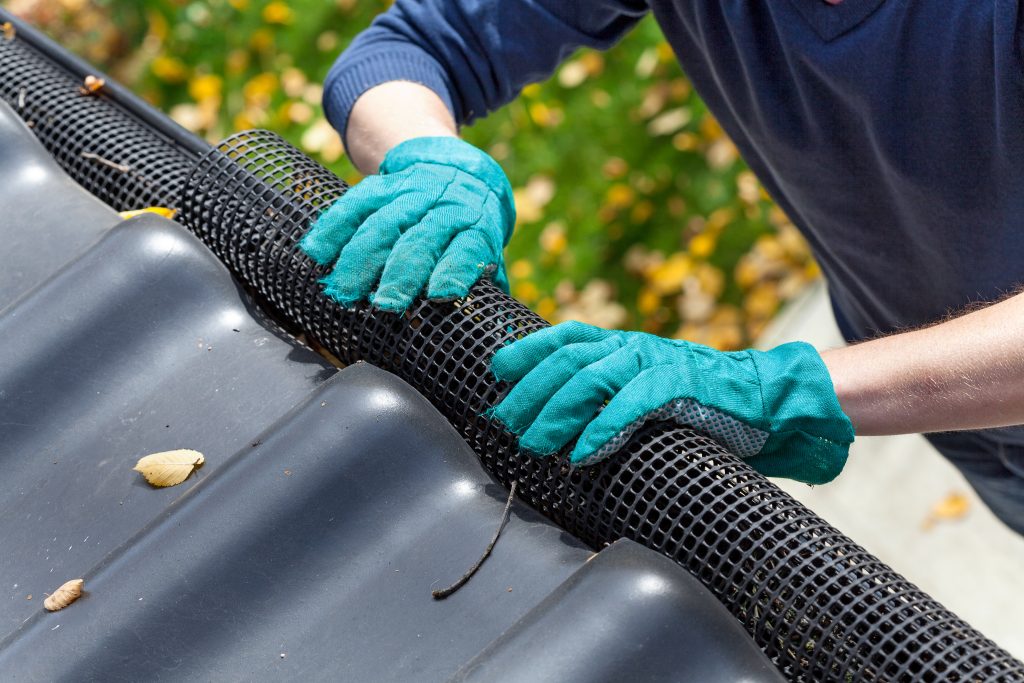
Mesh is the most popular and, for most Hobart homes, the most capable option. A perforated screen — usually aluminium, steel or poly — sits across the gutter, blocking leaves and pests while rain passes through the apertures. As a rule the holes should be no larger than about 5 mm, so water still flows freely but gum leaves and twigs stay out.
Within mesh there are a few grades worth knowing.
Micro-mesh
Micro-mesh has the smallest apertures and filters the finest debris, right down to pine needles and seed pods. It's the most effective type and usually comes with the longest warranties, but it's also the dearest — and it's best installed professionally so it sits flush to the roof and doesn't pool water.
Mesh panels and screens
Flat panels and snap-in screens are cheaper and easy to fit yourself. They keep out larger leaves, but the flat surface can collect debris on top, they can dislodge in strong winds, and they generally carry shorter warranties.
On materials, aluminium is the go-to: light, durable when powder-coated, and non-combustible. Steel (including Colorbond) suits the highest bushfire ratings, while poly or plastic mesh is cheaper but less durable and better kept to lower-risk jobs.
Foam gutter guard
Foam guards are wedges of polyurethane foam that sit inside the gutter, blocking debris while letting water seep through. They're inexpensive and about as easy as DIY gets.
The trade-offs are real, though. Foam can trap organic matter, encourage mould and attract pests, and it breaks down after a few years. It's also a poor choice for bushfire-prone areas — foam is combustible, so it isn't suitable where ember protection matters.
Brush gutter guard
Brush guards are lengths of heavy-duty bristles laid into the gutter, a bit like a giant bottlebrush. They stop larger leaves and are one of the simplest DIY options.
Smaller debris settles down into the bristles, though, which is awkward to clean out, and like foam they aren't suited to bushfire protection. They tend to be a short-term fix rather than a lasting solution.
Reverse-curve (surface-tension) guards
Reverse-curve covers use a curved lip so water clings to the surface and runs into the gutter while leaves fall off the edge. They shed debris well in heavy rain, but they're more expensive, usually need professional installation, and the common vinyl versions aren't suited to bushfire zones or drinking-water collection.
How the types compare
| Type | Best for | Fire-rated option | Maintenance | Relative cost |
|---|---|---|---|---|
| Aluminium/steel mesh | Most homes, bushfire areas | Yes | Low | Mid |
| Micro-mesh | Heavy or fine debris | Yes | Lowest | Higher |
| Foam insert | Budget DIY, low risk | No | High | Low |
| Brush | Quick DIY fix | No | High | Low |
| Reverse-curve | Heavy rainfall | Rarely | Low | Higher |
Which gutter guard is best for Hobart homes?
For most local homes, a quality aluminium mesh is the sweet spot — durable, non-combustible and effective against the gum leaves and bark that fill Hobart gutters. If you back onto bush or fall within a bushfire-prone (BAL-rated) area, step up to an ember-rated aluminium or steel mesh with roughly 2 mm apertures, which is designed to keep embers out.
Heavy tree cover points to micro-mesh, while foam and brush are best kept to low-risk, budget or short-term situations. No guard is completely maintenance-free — even the best mesh needs an occasional check and a hose-down — but the right one dramatically cuts how often you're up a ladder.
What to look for before you buy
Focus on three things: aperture size (around 5 mm for general leaf protection, roughly 2 mm for ember guard), material (powder-coated aluminium or steel for longevity and fire resistance), and how it's fixed (flush to the roof line, properly secured, ideally with a solid warranty). Getting these right matters more than the brand on the box.
If you'd rather not weigh it all up alone, our team can recommend and fit the right system for your roof — see our gutter guard installation service, or get in touch for a free quote.
Frequently asked questions
Is gutter mesh worth it?
For most Hobart homes, yes. Quality mesh sharply reduces blocked gutters and cleaning, and adds ember protection in bushfire areas — provided it's the right aperture and properly installed.
What's the downside of gutter guards?
No guard is fully maintenance-free, cheaper types can clog or dislodge, and very fine pollen can still get through. Sensible material choice and correct installation avoid most problems.
Which gutter guard is best for a tiled roof?
A mesh system trimmed to the tile profile and tucked under the second row of tiles generally gives the neatest, most effective result on tiled roofs.
Do gutter guards stop embers in a bushfire?
Non-combustible aluminium or steel ember-guard mesh (around 2 mm apertures) is designed to reduce ember entry in bushfire-prone areas. Foam and brush guards are not suitable for this.
Need your gutters sorted in Hobart?
Book a fast, obligation-free quote with your local team.